
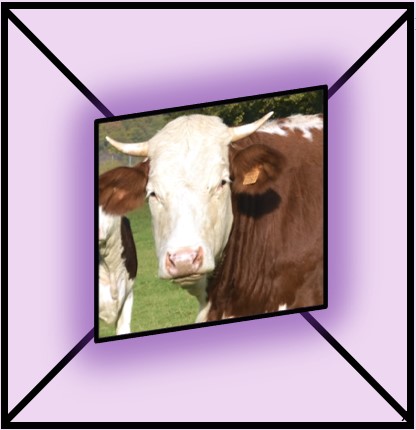
Credit: Original photo, Gilles-Detot. Composite image: J. Califano
As part of the Trump Administration’s ongoing efforts to “Make America Healthy Again” under the mostly ineffective leadership of US Health and Human Services (HHS) Secretary Robert F. Kennedy Jr. (RFK Jr.), Americans can continue to expect cloned meat in their food supply.
As a result of the US Food and Drug Administration’s (FDA) 2008 approval allowing the cloning of animals, America’s food supply is regularly infiltrated by unlabeled cloned beef and pork. Unbeknownst to consumers, these animal products are quietly mixed into supermarket shelves and restaurant chains’ menus and sold along with related dairy products.
The Center for Food Safety (CFS) is reporting:
Using genetic technologies to clone food animals is a relatively new science that remains understudied and imprecise. However, defects in these animals are common, and scientists warn that even small imbalances could lead to hidden food safety problems in cloned milk or meat. There are few studies on the risks of food from cloned animals, and no long-term food safety studies have been completed.
Health Risks and Corporate Consolidation
The CFS report goes on to explain:
Cloned animals pose several concerns for consumers. These animals tend to have difficulty delivering live young and develop lameness. These illnesses may lead them to be heavily treated with hormones and antibiotics, which can enter the food supply and put human health at risk. Furthermore, the high costs involved, and the patenting of the animals lend the industry to corporate control, putting small- and medium-sized farms at risk of consolidation and exclusion from raising patented breeds that had been part of the public domain for generations. Numerous opinion polls show that the majority of Americans do not want food from cloned animals and are opposed to this technology on moral or ethical grounds.
The is nothing like secrecy to assure American consumers that the FDA has their back.
Despite these concerns, the U.S. Food & Drug Administration released a report in 2008 claiming that meat and milk from cloned animals is safe to eat, opening the gateway for the commercial sale of milk and meat from animal clones. Since the agency is not requiring food from clones or their offspring to be labeled, consumers are purchasing these novel foods without their knowledge or consent.
Consumer Backlash on Both Sides of the Border
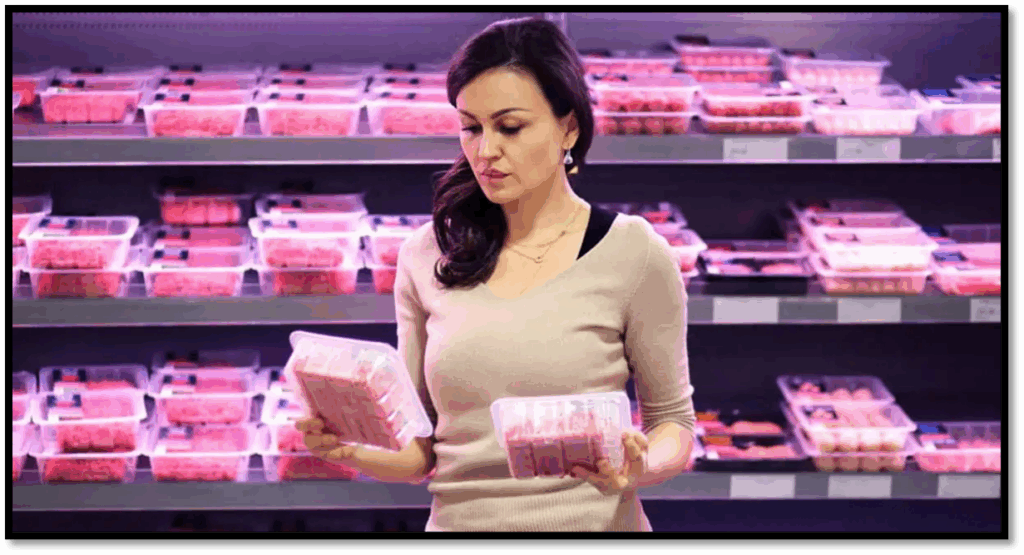
Credit: Slay News
A November 2025 article by Slay News details the growing backlash from American consumers resulting from the government policies of our neighbors to the north that include Canada’s decision to remove oversight, allowing “cloned meat and milk products, and the offspring of cloned animals, to be sold to millions of Canadians with no indication whatsoever of their lineage.”
Slay News journalist Frank Bergman writes:
The move immediately set off alarm bells in the United States.
Many Americans are only now discovering that they have likely been eating cloned products for years.
Online, the reaction has been explosive, with users calling the situation unacceptable and demanding transparency.
Some say they likely purchased cloned products unknowingly, blasting regulators for failing consumers and hiding the true origins of what is being sold on store shelves.
Opposition to cloned meat spans ethical, religious, and safety concerns.
Critics warn of serious animal-welfare issues, pointing to high rates of clone miscarriages, deformities, suffering, and death.
Others warn about potential contamination from antibiotics or hormones used on sick clones, animals that would never survive long enough to enter the food chain directly, but whose offspring do.
Ethical concerns also run deep, with many uncomfortable about the technology itself or warning that its normalization could open the door to attempts at human cloning.
Now, Canada is preparing to introduce cloned meat into grocery stores without telling the public.
For millions of consumers on both sides of the border, cloned meat is here, and regulators don’t plan to warn you.
What Can We Do?
- Contact the FDA and tell them that you are diametrically opposed to the cloning of animals and insist that they rescind their 2008 approval allowing cloned meat to enter the food supply.
- Put the pressure on the Trump Administration by contacting HHS Secretary Kennedy and insist that he act immediately to end the FDAs policy and remove all US Department of Agriculture (USDA), Environmental Protection Agency (EPA), HHS, and FDA officials that have connections to chemical, agribusiness, or fossil-fuel interests, people who are salaried by your hard-earned tax dollars. This would include Justin Ransom, a former Tyson Foods executive named the administrator of the Food Safety and Inspection Service (FSIS), the agency charged with overseeing the safety of the US meat and poultry supply. The same Justin Ransom who held a senior leadership role at Tyson, where he played a key part in launching the company’s highly contested “climate-friendly” Brazen Beef, a brand that was pulled from the shelves and accused of misleading consumers with its empty climate claims.
“Brazen”—the perfect brand name for such manipulation. - Consider transitioning to a whole-food plant-based diet and avoid animal products all together. Anything is possible once you have the hard facts. (See Additional Resources below.)
Additional Resources:
Is Plant Protein Healthier than Animal Protein? | Dr. Joel Fuhrman
How Now Our Brown Cows: Antibiotics and Vaccines in Livestock
Hold the Pickles! Hold the Lettuce! Hold the Pink Slime!
“Vaccines in the Food Supply: What Are the Risks?”
Is Organic Meat Less Carcinogenic?
How Fast Can Children Detoxify from PCBs?
How Long to Detox from Fish Before Pregnancy?
Pollutants in Salmon and Our Own Fat
Dietary Pollutants May Affect Testosterone Levels
Got the Facts on Milk?
Description: Got the Facts on Milk? is a feature documentary that dared to question the much-publicized health benefits of milk and dairy products.
“A girl’s quest to find out what is really wrong with the milk, only to be booted off the USDA grounds for asking the wrong questions.”
Is Plant Protein Healthier than Animal Protein? | Dr. Joel Fuhrman